- Licensed & insuredCertificates provided to every client
- Open 24/7Emergency calls, no night or weekend fee
- 2-year labor warrantyOn new roofs, plus manufacturer warranty
- Free written estimatesPhotos of every problem we find
Key facts
- We are open 24/7. Call or WhatsApp photos of the damage; we are usually on site in about 2 hours, with no extra call-out fee at night or on weekends.
- First: safety. Stay out of rooms with sagging ceilings and keep away from wet electrical fixtures.
- Second: contain the water and photograph the damage before anything is moved.
- Third: temporary protection (tarp, membrane patch or board-up) to stop further damage.
- Then: the permanent repair, once the insurer has seen the damage if you are making a claim.
What to do in the first hour
Make it safe
If water is near light fixtures or outlets, turn off the circuit at the panel. Keep people and pets out of any room where the ceiling is bulging.
Contain the water
Buckets, towels and a tarp on the floor. If a ceiling is bulging, a small hole at its lowest point drains it in a controlled way before it collapses.
Move valuables
Electronics, documents, rugs and furniture out of the drip zone.
Document everything
Photos and video of the ceiling, the attic if you can safely look, the roof from the ground and any debris in the yard, with the date.
Call for help
Request an emergency visit and notify your insurance company. Do not sign any contract that assigns your insurance benefits to a contractor on the spot.
Common storm damage on Long Island roofs
Nassau County sits between the Atlantic and Long Island Sound, and most roof emergencies here are wind and water, not hail. These are the patterns we see after a big storm:
- Blown-off shingles and ridge caps, usually at the roof edges and ridges where wind uplift is strongest.
- Lifted flashing at chimneys and walls that lets wind-driven rain straight in.
- Tree damage: limbs puncturing the deck, cracked rafters and crushed gutters. Mature oaks and maples are a big part of what makes the county beautiful, and of what lands on roofs in high wind.
- Flat roofs peeled at the edge, where the perimeter metal or membrane was not fastened well enough.
- Overloaded drains and ponding on low-slope roofs during extreme rain.
- Coastal damage in South Shore communities from wind and spray, where hidden corrosion has already weakened fasteners and flashing.
How temporary protection works
The goal of emergency work is simple: stop more water getting in until the roof can be repaired properly. Depending on the damage that means:
- A fastened tarp over the damaged area of a pitched roof, extended past the ridge and secured with battens so wind cannot get under it.
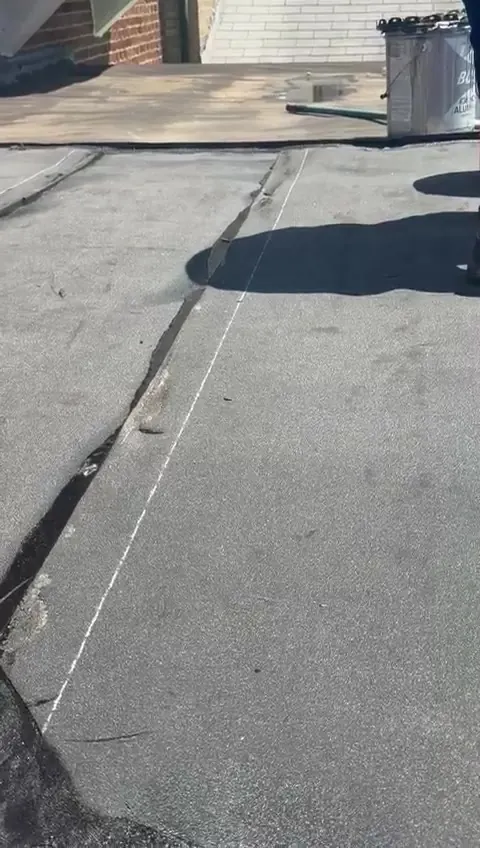
- A temporary membrane patch on a flat roof over an open seam or puncture.
- Plywood board-up where a limb has broken through the deck, after the debris is removed.
- Clearing drains and scuppers on flat roofs so ponding water can leave.
Temporary protection is not a repair. It is a holding measure that should be followed by a proper roof repair or, if the damage is extensive, a roof replacement.
Storm damage and insurance claims
Most homeowners policies cover sudden, accidental damage, such as a tree falling on the roof or wind tearing off shingles, and exclude damage from age and lack of maintenance. Adjusters look for evidence. The more clearly the damage is documented, the smoother the claim:
- Date-stamped photos of the roof, the interior damage and any debris
- A written description of the damage and its likely cause from the roofer
- Receipts for emergency work and temporary protection
- An itemized estimate for the permanent repair
We are roofers, not public adjusters, and we will not tell you what your policy covers. We will give you accurate photos and a clear written scope that you or your adjuster can rely on.
We work across all of Nassau County: the Towns of Hempstead, North Hempstead and Oyster Bay and the Cities of Glen Cove and Long Beach. See our service areas or read how we work.
Frequently asked questions
What counts as a roofing emergency?
Water actively coming through a ceiling or light fixture, a section of roof torn open by wind, a tree or large limb on the roof, or a flat roof holding enough water that the ceiling below is sagging. A slow stain that appears after rain is urgent but usually not an emergency.
Is it safe to put a tarp on my own roof?
We advise against it. Storm-wet shingles are slippery, damaged decking can give way, and wind can turn a tarp into a sail that pulls you off a ladder. Contain the water inside and leave the roof to a crew with fall protection.
How long can a roof tarp stay on?
A properly fastened tarp is a stop-gap for days or a few weeks, not a season. Sun breaks down the plastic and wind works the fasteners loose. Plan the permanent repair as soon as the insurance adjuster has seen the damage.
Should I call my insurance company or a roofer first?
Make sure everyone is safe and the water is contained, then call both. Your policy likely requires you to take reasonable steps to prevent further damage, which is what temporary protection does. Photograph everything before it is moved and keep receipts for emergency work.